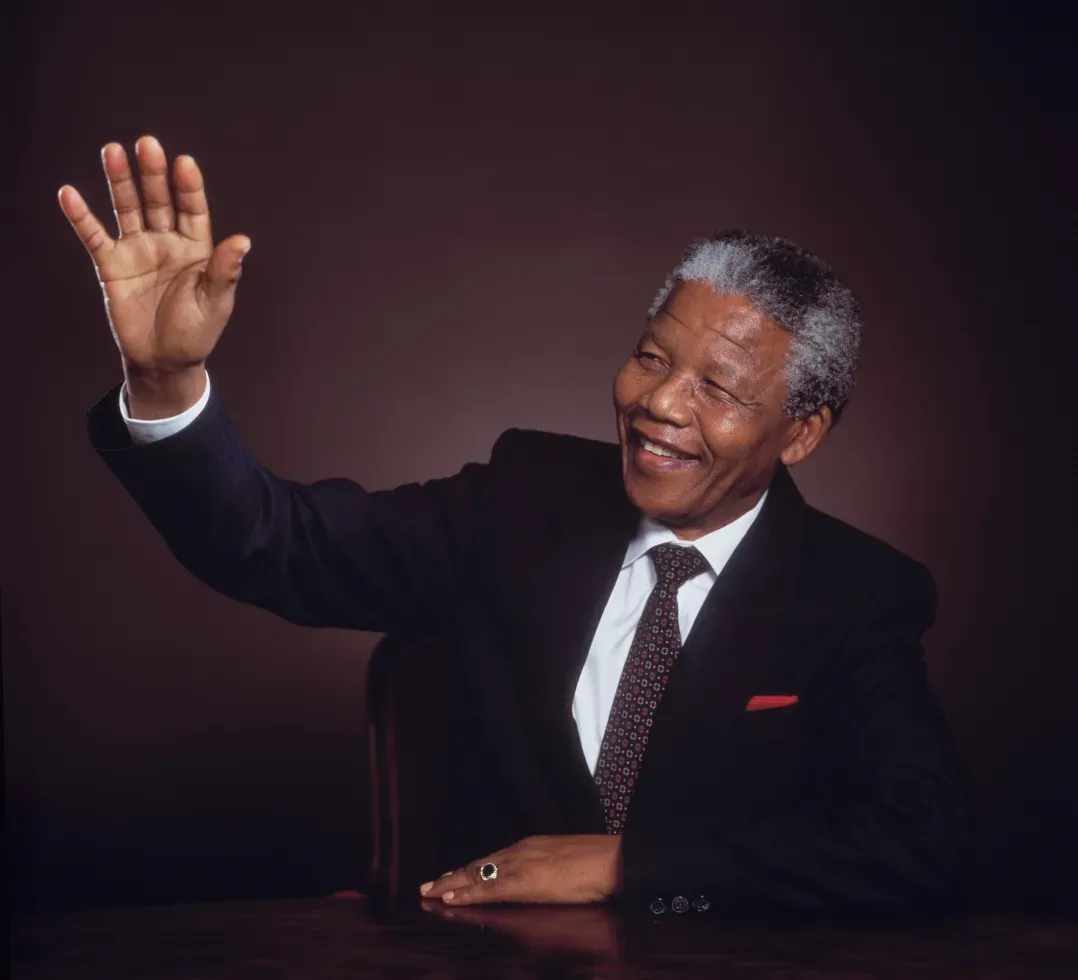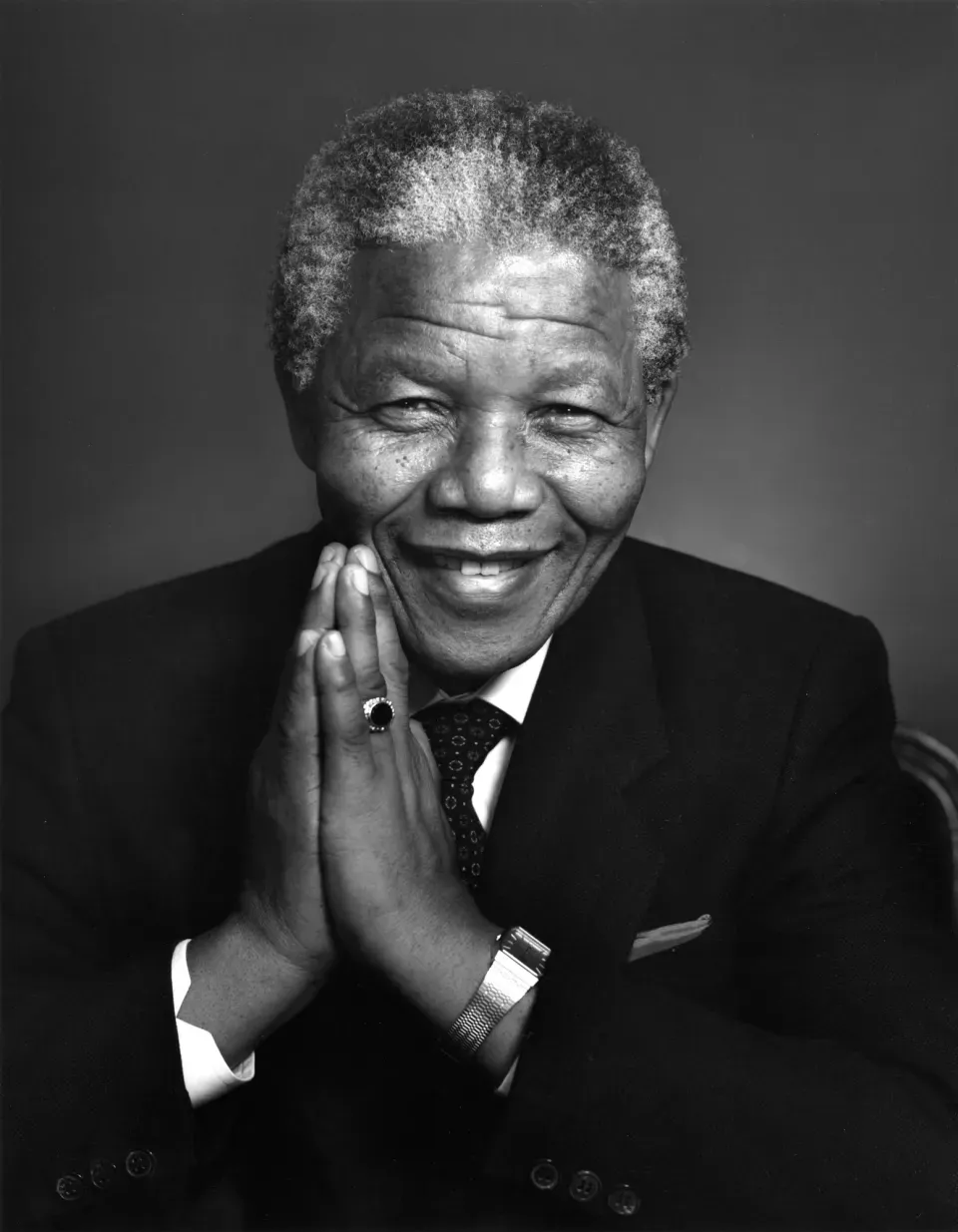
Their story
From Anti-Apartheid Struggle to Captivity
Born in the Transkei as the son of a tribal chief, Nelson Mandela educated himself and earned a law degree before joining the African National Congress (ANC) in 1944 to actively dismantle the ruling party's apartheid policies. Guided by the profound ideal of a free, democratic, and egalitarian society, he fiercely opposed both white and Black domination, declaring himself ready to die for this cause. Following his sentence to life imprisonment, Mandela became the ultimate symbol of anti-apartheid resistance, consistently refusing to compromise his political principles in exchange for his freedom.
Presidency and National Reconciliation
Released in February 1990 after decades of incarceration, Mandela intensified his fight to fulfill the democratic goals set nearly forty years earlier. In May 1994, he made history by becoming South Africa’s first Black president, a role he held until 1999. He successfully guided the nation through its transition from minority rule to a full democracy. By prioritizing forgiveness over retribution, his policy of national and international reconciliation earned him global reverence, culminating in a worldwide tribute on his 90th birthday in 2008.
"If you speak to a man in a language he understands, that goes to his head. If you speak to him in his language, that goes to his heart." Nelson Mandela